Disclaimer: The information in this article is for general educational purposes only. Always use caution when handling cleaning solutions, ladders, or pressure washers. Every home is different, and conditions vary. If you’re unsure about proper chemical ratios, surface types, or runoff containment, please contact a professional. Sunshine Window Cleaning, its owners, and employees are not responsible for any damage, injury, or loss resulting from the use or misuse of the information below.

Hey, Jason here. I’m one of the owners of Sunshine Window Cleaning.
Our mission is simple: we’re building the best dang exterior cleaning company in San Diego. That means highly trained crews, the best equipment, and a science-backed approach to improving our craft every single week.
We don’t just want to wash homes and clean windows. We want to raise the standard for everyone in this industry and show homeowners that there’s a right way to do this work: one that protects your home, the environment, and your wallet.
If you’ve ever wondered things like:
- “Why does my house look dirty outside?”
- “How do I clean soot off my siding?”
- “What’s this black residue on my house in Coronado?”
You’re in the right place. Let’s walk through what’s actually going on, what you need to clean your home safely, and how to do it without causing damage.
Why Your House Looks Dirty (And It’s Not Just Dust)
If your San Diego house looks dull, streaky, or gray, the culprit is likely a combination of airborne soot, mildew, and salt buildup — the triple threat of coastal living.
Here in San Diego, homes are constantly exposed to pollution from cars, sea spray, and organic growth that thrives in our mild humidity. And in Coronado specifically, homes are constantly exposed to airplane soot from jets flying in and out of North Island.
That airplane soot, organic growth, and pollution can end up damaging your paint by trapping moisture. It breaks down the paint’s protective coating, and can even cause oxidation or peeling over time.
The bad news is that it looks terrible and can lead to an expensive repaint (oftentimes upwards of $8,000). The good news is that you can fix it and prevent it.
What You’ll Need
Let’s start with the basics. In our experience, you don’t need a massive gas-powered pressure washer.

(totally unnecessary – absolutely overkill)
In most cases, an electric pressure washer like the Ryobi 1800 does just fine.
It gives you plenty of PSI to clean effectively, and it’s far safer for paint, stucco, and delicate surfaces. A gas-powered unit might seem cool, but it’s overkill for residential washing and can do serious damage if you’re not careful.
Here’s your essential setup:
- Electric pressure washer (1500–2000 PSI range).
- A low-pressure nozzle
- Surfactant This is a really fancy word for soap. Dawn works just fine. Honestly, not always necessary.
- Sodium hypochlorite Fancy word for bleach. I usually just buy it at Home Depot, and for most houses, you shouldn’t need more than a few gallons if that. I usually buy 7.5% concentration, and then dilute it down to a 1-3% concentration.
- A chemical sprayer
- Extension wand for tall areas, or a ladder.
- Water containment setup to capture runoff. If we’re washing a roof where we have to put out a lot of water, we use a Waterbug pump connected to our generator and a water bag containment device. Oftentimes you can just push the water into your nearby vegetation. This is really important because you can get fined a lot of money (upwards of $30,000!) if you just let your water runoff go down the storm drain.
*Disclaimer: I’m not sponsored by any of the products I recommend. I just sincerely believe in providing high quality information and that means sharing what works best for your dollar. I have bought way more expensive stuff unnecessarily trying to find the best solutions for cleaning home exteriors, and I don’t want you to make the same mistakes.
Mixing It Right: Surfactant and Sodium Hypochlorite
This is where most DIY jobs go sideways. The mix of surfactant and sodium hypochlorite has to be just right — strong enough to clean, but not so strong that it damages paint or kills your landscaping.
- For most exterior walls: A 1–2% sodium hypochlorite solution is plenty.
- For heavy mildew or deep organic staining: You can go up to 3–4%, but test a small area first to see how it reacts with your home’s exterior.
- Surfactant ratio: Usually a few drops per gallon of solution, depending on the product. The surfactant helps the bleach cling to surfaces long enough to clean instead of running off instantly.
Never spray raw bleach on your home. It’ll etch glass, strip paint, and destroy vegetation in seconds. Always mix it down, and always rinse thoroughly. Bleach can also ruin any nice wood stain you may have. If you’re in doubt, just hire a professional.
Stucco vs. Siding: Know Your Surface
Different materials call for different techniques.
- Stucco: It’s porous, which means dirt, algae, and soot get embedded deep. Use low pressure and let your cleaning mix do the work. Think of it as “soaking the stain out” rather than blasting it off.
- Vinyl or painted siding: More forgiving, but can still dent or peel if you hit it with high PSI. Keep your nozzle at least 12 inches away and spray at a downward angle to avoid forcing water behind panels.
What You Might See on Your Walls (and What It Means)
If you’re seeing…
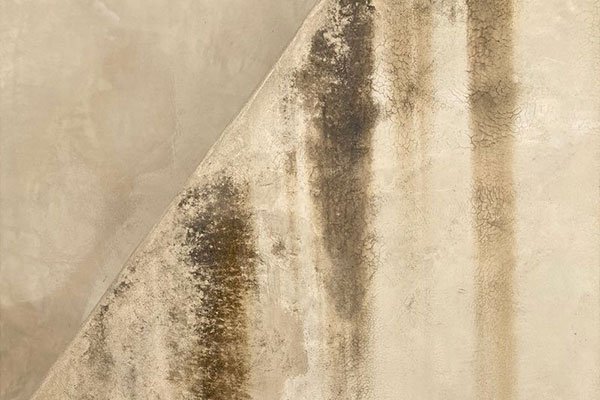
- Black dusty particles on window sills, bannisters, white paint— likely jet soot or pollution buildup.
- Green film on shaded walls — algae or mildew.
- Orange or brown staining near sprinklers — iron deposits from water.
Each of those problems has a specific fix, and most respond beautifully to a gentle, properly mixed wash. The trick is identifying the cause before blasting it with a pressure washer.
Don’t Forget the Runoff (It’s the Law)
This part often gets ignored, but it’s important. In California, you can be fined for letting dirty wash water — especially water containing chemicals — run into storm drains. That’s because everything in those drains leads directly to the bay.
Also – it’s the right thing to do. It goes into the bay and can cause a lot of harm to ecosystems and marine life. It would be really dumb not to care about this.
The easiest way to handle this is to push water run-off into your nearby vegetation with a broom or large floor squeegee. Be sure to pre-wet your vegetation beforehand so as to dilute the bleach enough to not cause harm to your plants.
Professional crews like ours use containment bags, berms, or vacuum recovery systems as necessary to capture the water before it hits the gutter. This is more common when we do roof washes, when we have to use a lot more water. If you’re washing your own home, try to redirect runoff into soil or gravel, and never let it flow into the street.
The Limitations of a House Wash
A house wash can make a huge difference in how your home looks — but it’s not a miracle cure for everything.
It’s important to understand what house washing can do and what it can’t.
Here’s the honest truth:
- A house wash removes contaminants (like dirt, soot, mildew, algae, and salt).
- It revives faded color that’s just buried under buildup.
- It extends the life of your paint by keeping the surface clean and breathable.
But it won’t fix:
- Deep-set stains or water intrusion marks that have baked into the paint film.
- Paint discoloration or fading from UV damage.
- Peeling or flaking paint, where the bond between layers has already failed.
Think of washing as preventive maintenance, not restoration. It’s like getting your oil changed. It keeps things healthy longer, but it won’t rebuild the engine.
If your paint is failing, discolored, or chalking heavily, washing can make it cleaner, but it won’t make it new again. That’s when it’s time to repaint, ideally after a thorough wash so your new paint has a clean surface to bond to.
When to Call a Pro
If you’re comfortable mixing solutions, managing runoff, and rinsing methodically, a DIY wash can be satisfying and save you money.
But if your home has delicate surfaces, tall walls, or heavy staining, calling a professional is usually worth it. We’ve done tons of house washes — our teams are trained to diagnose stains, and wash safely and efficiently depending on the material in front of us.
Plus, we’re fully insured, licensed, and genuinely proud of what we do.
Final Thoughts
A clean home isn’t just about curb appeal — it’s about protecting your biggest investment from San Diego’s unique coastal environment.
So whether you tackle it yourself or call in the pros, don’t let soot, salt, and mildew quietly eat away at your paint. A gentle wash once a year can save you thousands in repainting costs and keep your home looking like new.
If you’d like help, you can always reach us at 858-471-0201 or learn more at SunshineWindowCleaningSD.com.
Now go enjoy that San Diego sunshine — your house will thank you for it.